

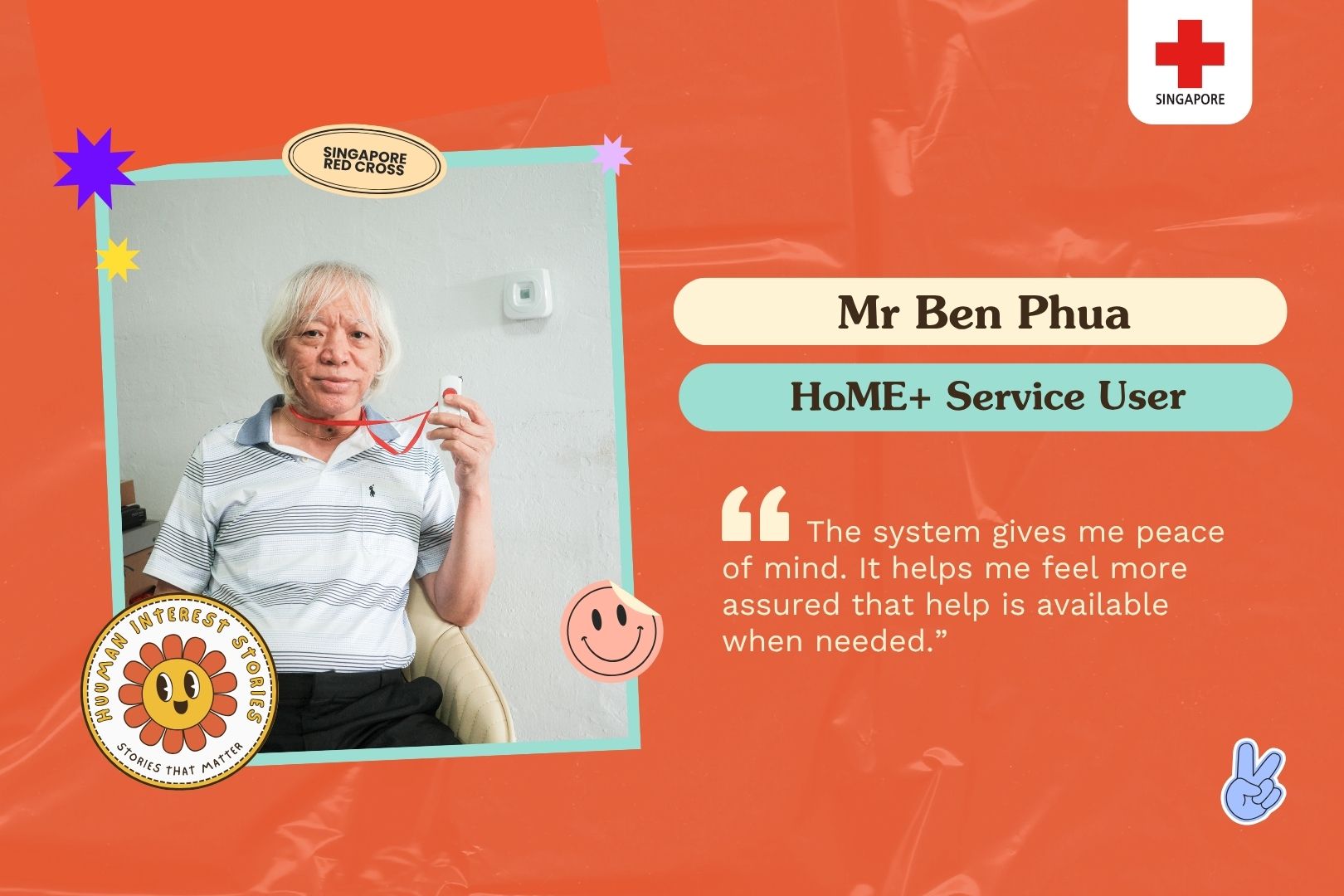
Each morning, Mr Ben Phua begins his day caring for his son, Zai Quan. He prepares breakfast, helps him shower, brush his teeth, and get dressed. Once Zai Quan is ready, father and son head downstairs together to wait for the school bus.
This routine reflects the steady rhythm of daily caregiving. Zai Quan is 15 years old and has multiple disabilities. Born with an extra chromosome, he is non-verbal and requires close support in his daily activities. For Mr Phua, these mornings are a meaningful part of his role as a parent — one that calls for patience, attentiveness, and love.
Mr Phua, who is nearing 70, retired in 2019. He is a prostate cancer survivor and underwent a hernia operation in 2023. In 2021, he decided to take on the primary caregiving role for his son, ensuring that Zai Quan received care that best suited his needs at home.
Following his divorce in 2020, Mr Phua became Zai Quan’s sole caregiver. He manages his son’s daily routines independently, coordinating personal care, medical needs, and school arrangements. As Zai Quan also experiences epileptic episodes and is blind in his right eye, caregiving requires careful observation and responsiveness throughout the day.
“Some days, Zai Quan needs a bit more help when he comes home from school,” Mr Phua shares. While the school provides consistent support, caregiving continues at home, where Mr Phua remains closely involved in meeting his son’s needs. This responsibility is ongoing, as Zai Quan depends on his father for assistance and reassurance.
Zai Quan is a student at MINDS’ Fernvale Gardens School, where he is supported by a multidisciplinary team. Among them is social worker Mr Lucian Toh Yao Zong, who joined MINDS in August 2024 and works alongside families to ensure students’ wellbeing beyond the classroom.
Through his regular interactions with Mr Phua, Mr Toh became mindful of the importance of supporting both caregiver and child. Mr Phua is among the older caregivers at the school, and Mr Toh felt it was important to explore ways to enhance safety and peace of mind at home. In May 2025, he introduced the idea of a home monitoring system as part of forward planning.
Mr Toh had been introduced to such systems during his social work training, where they were discussed as resources to support aging caregivers. Initially, Mr Phua was unsure how the system might fit into his daily life. After discussing how it could provide reassurance in unforeseen situations, he felt it could be a helpful addition to their home.
Following the application, the HoME+ team assisted with the installation of the system in Mr Phua’s three-room flat in Ang Mo Kio.
HoME+, a service by the Singapore Red Cross (SRC), is a 24-hour, non-intrusive alert and response system designed to support seniors living at home. It uses presence sensors — three-dimensional motion sensors — to observe movement patterns and identify unusual inactivity that may require a check-in.
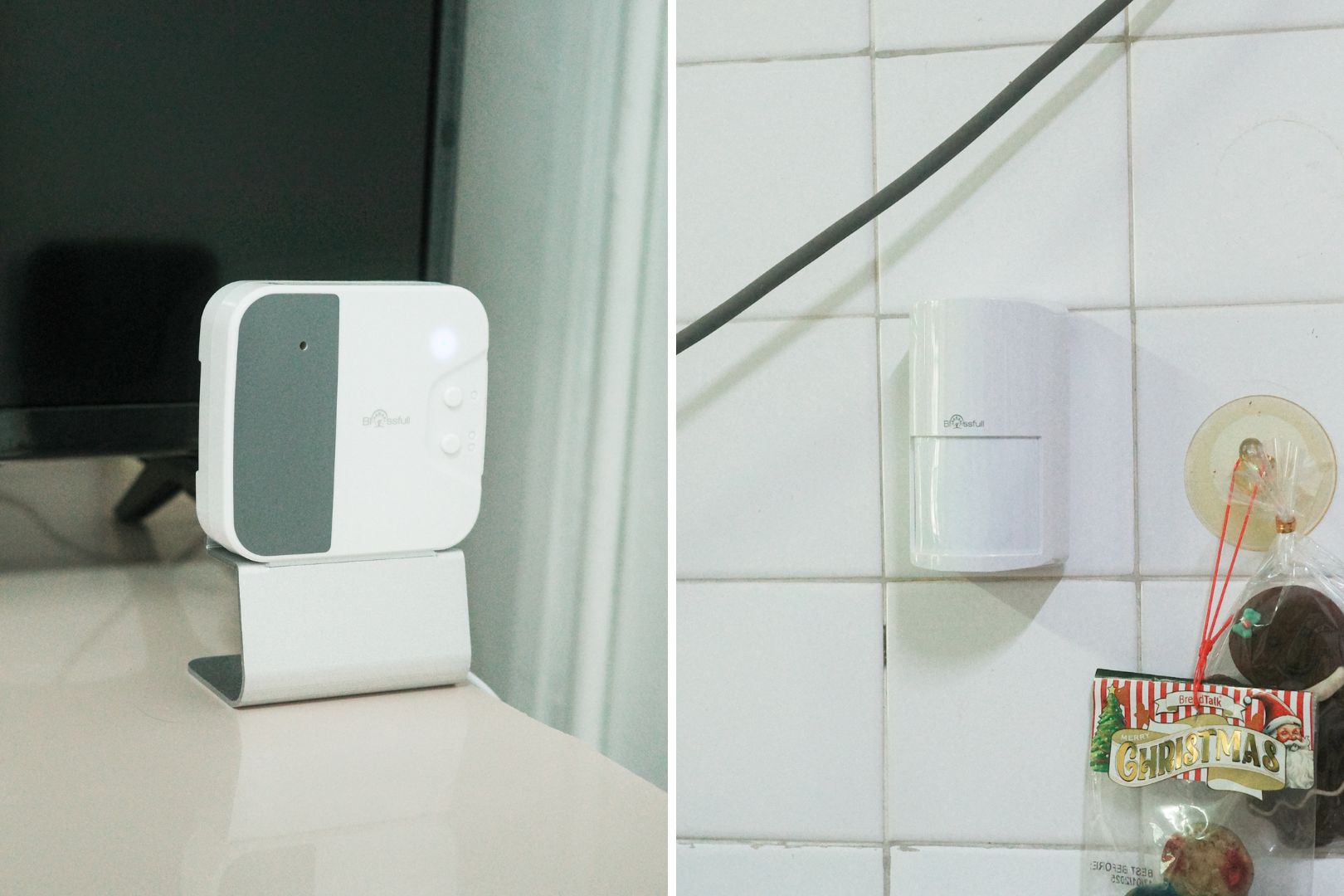
The system also includes wall-mounted and portable panic buttons that can be activated in an emergency. When an alert is triggered, SRC’s call centre responds promptly and assesses the situation. If needed, trained community responders or the Singapore Civil Defence Force may be engaged.
Privacy is a key feature of the system. HoME+ does not use cameras, and caregivers can receive timely updates through a mobile application. The service is supported by a network of trained community responders who look out for more than 1,200 seniors living alone across Singapore.
Mr Phua has been using the HoME+ system for about three months. While he has not had to activate the panic button, he appreciates the reassurance it provides. As he reflects on the future, he finds comfort in knowing that support is easily accessible for both himself and his son.
“The system gives me peace of mind,” Mr Phua says. “It helps me feel more assured that help is available when needed.” He feels the solution can be useful not only for seniors living alone, but also for households seeking an added layer of safety.
HoME+ reflects a broader approach to eldercare that supports aging in place — enabling seniors to remain independent while staying connected to community support. Beyond seniors living alone, the system can also benefit individuals recovering from surgery or seniors living with caregivers.
Mr Toh notes that HoME+ is particularly valuable because it provides support discreetly. “It allows people to maintain their sense of independence,” he shares. “Support is there when needed, without being intrusive.”
While HoME+ is a paid service, financial assistance is available for eligible individuals. Those interested may contact the Singapore Red Cross to find out more.
For Mr Phua, HoME+ has become a quiet source of reassurance. In the midst of daily responsibilities, it represents preparedness, support, and peace of mind.
When asked if he would recommend the system to others, he responds with confidence. “Yes,” he says. “I think it can really help those who would benefit from it.”
By Michelle Tanmizi, Volunteer Writer